How We Built Our MLB NRFI Model — A Public Methodology Walkthrough
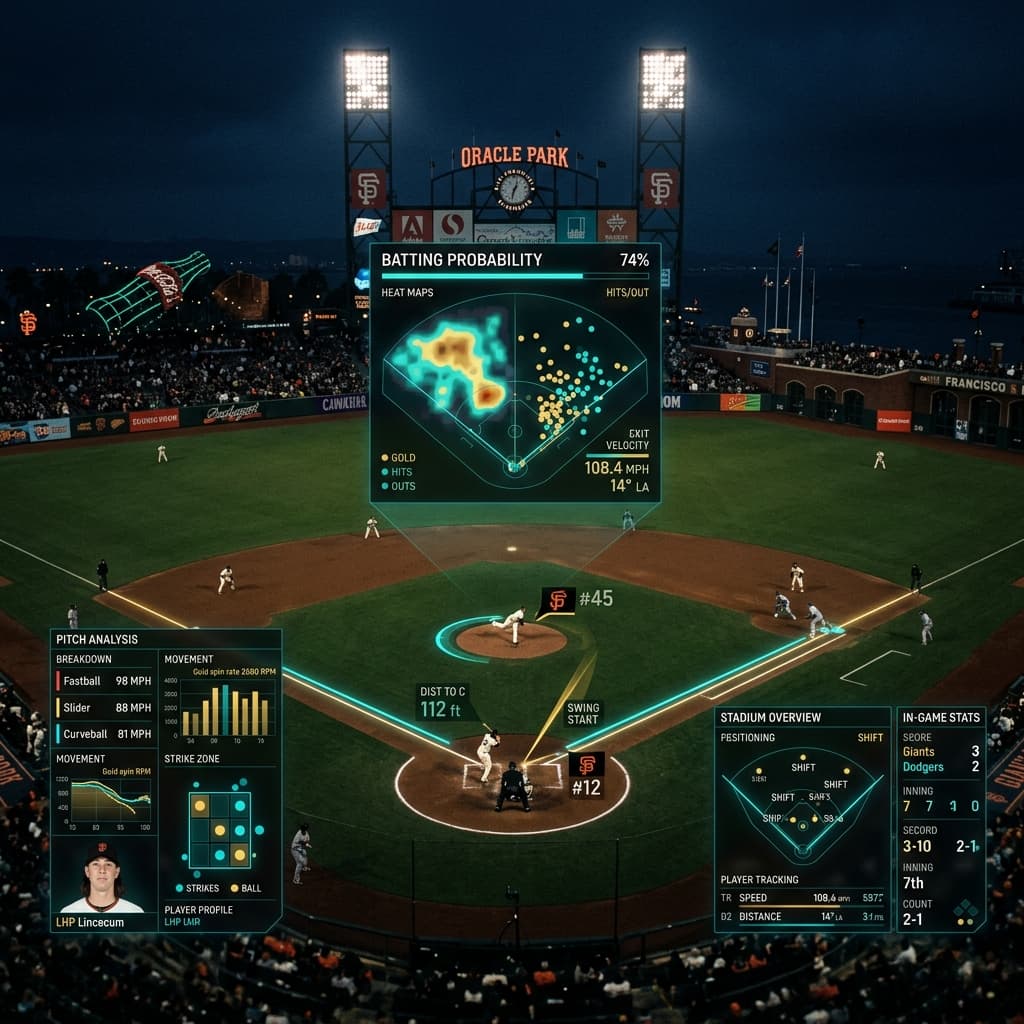
Demystifying the NRFI Market
The NRFI (No Run First Inning) market is one of the most explosive and popular derivative markets in Major League Baseball. Because it resolves in about 15 minutes, the public loves the instant gratification. However, the public consistently loses money on NRFIs because they base their decisions entirely on the starting pitchers' names.
If Gerrit Cole is pitching against Corbin Burnes, the public blindly takes the NRFI. The market makers know this, and they brutally inflate the juice, turning what looks like a safe play into a severely negative EV trap.
To build a sharper read on the NRFI market, our data engineering team had to build a specialized algorithmic model from the ground up. Here is a brief look at our methodology.
First-Inning Specific Metrics
Starting pitchers perform differently in the first inning than they do in the rest of the game. Some pitchers require an inning to find their release point, while others are utterly dominant before the opposing lineup has seen all their pitches.
Our model completely ignores a pitcher's overall ERA. Instead, we isolate their first-inning splits, strike-rate percentages, and specifically, their performance against the top three batters in the opponent's lineup.
Umpire Tendencies and Park Factors
A complete NRFI research process may consider the home-plate umpire because documented strike-zone tendencies can affect walks and strikeouts. EdgeSlate does not present an umpire adjustment unless that input is connected, current, and carried into the published evidence for the event.
Furthermore, we heavily weight park factors. A fly ball that is a routine out in San Francisco might be a three-run home run in Cincinnati.
The Bottom Line
EdgeSlate's first-inning research uses available pitcher and market inputs to estimate the chance of a first-inning run. The estimate is shown only with the evidence and price actually available; it is not described as a verified edge without a published market price and out-of-sample support.

EdgeSlate Research
Quantitative Analytics Team